Seized eggs are genuine
A test conducted by the state Veterinary Department on 270 eggs seized from the Pulau Tikus market has found them to be genuine.
State Health, Welfare, Caring Society and Environment Committee chairman Phee Boon Poh said, however, he was still waiting for a second opinion from the Health Ministry.
“The ministry, which seized another 108 eggs from the market, is expected to reveal its findings.
“Minister Datuk Seri Liow Tiong Lai is expected to hold a press conference on Monday,” he said here yesterday.
The eggs, which were carted away by the authorities on Thursday, were sent for analysis at the state Veterinary Department and the ministry’s Chemistry Department in Petaling Jaya.
The eggs were seized following complaints by a housewife and the Consumers Association of Penang (CAP) that fake eggs were being sold at the market.
Thanking CAP for highlighting the issue, Phee said the Penang Consumer Watch Group in all the 40 state constituencies were also on the lookout for fake eggs.
“They will alert us if they come across anything suspicious. The public can also lodge an official complaint with us so that we can take action,” he said.
In Ipoh, Deputy Domestic Trade, Co-operatives and Consumerism Minister Datuk Tan Lian Hoe said those who suspected that they had bought fake eggs should immediately notify the ministry for it to investigate.
“There are millions of eggs in the market and it is impossible for us to seize them all,” she told reporters after a dialogue with the Perak Sundry Shops Guild.
She said ministry enforcement officers had been directed to monitor all those selling eggs.
In Kota Kinabalu, state Community Development and Consumer Affairs Minister Datuk Azizah Mohd Dun said the state was keeping a close watch on the possibility of fake eggs surfacing in the local market.
~News courtesy of The Star~
Sunday, 10 April 2011

Saturday, 9 April 2011
Thursday, 7 April 2011
Egg-streme deception
Egg-streme deception
FAKE eggs, which are allegedly full of chemicals, have been found in Penang.
A housewife who bought a tray of 30 eggs for RM11 in a market has complained to the Consumers Association of Penang (CAP) that they were fake.
CAP president S.M. Mohamed Idris said the housewife brought the eggs to the association’s office on Jalan Mesjid Negeri yesterday morning after finding something fishy about them when she tried to cook them.
“She said the eggs did not smell like real eggs and were tasteless.
“They had unusual shapes and were larger than real eggs. The fake egg also had a rougher surface than the genuine one.
“When broken, there were no signs of the chalazae which is the opaque ropes of egg white that hold the egg yolk in the centre of the egg. The fake egg white and egg yolk quickly mixed together unlike those of genuine eggs,” Idris told a press conference yesterday.
The fake egg yolk is of a darker yellowish hue.
He said they found that the yolk of the fake egg was more yellowish than the real one when they cooked one of the fake eggs to find out the difference.
Idris said an e-mail circulated in the Internet had stated that fake eggs were common in China and were full of chemicals.
“According to the e-mail, the shell is made of calcium carbonate while the yolk and egg white are made of sodium alginate, alum, gelatin, benzoic acid and calcium chloride besides water and food colouring.
“Calcium chloride may cause liver diseases while benzoic acid can be harmful to the brain and nerve cells,” he said.
Asked how consumers can differentiate fake eggs from genuine ones, Idris said it would be very hard to do so as they looked almost the same.
“Try to look out for the weird shapes,” he said, adding that CAP staff went to buy eggs from the shop where the woman had bought the fake ones and the staff found the eggs were indeed fake.
He said CAP would write complaint letters to the Domestic Trade, Cooperatives and Consumerism Ministry and the Federal Agriculture Marketing Authority to urge them to carry out investigations.
The ministry’s Penang enforcement division head M. Guna Selan said his office had not received any complaints of fake eggs so far.
“I will check with CAP first on the details of the complaint before deciding on the next course of action,” he said.
The content of the circulated e-mail was found through a Google search.
It stated that various ingredients, including an unknown powder and alum, are mixed together to make the egg white.
For egg yolk, some lemon- yellow colouring powder is mixed to a liquid and stirred.
The liquid is then poured into a round-shaped plastic mould and mixed with so-called ‘magic water’, which contains calcium chloride.
Hardy shells are formed by pouring paraffin wax and a liquid onto the concoction which are then left to dry.
-News courtesy of The Star-
FAKE eggs, which are allegedly full of chemicals, have been found in Penang.
A housewife who bought a tray of 30 eggs for RM11 in a market has complained to the Consumers Association of Penang (CAP) that they were fake.
CAP president S.M. Mohamed Idris said the housewife brought the eggs to the association’s office on Jalan Mesjid Negeri yesterday morning after finding something fishy about them when she tried to cook them.
“She said the eggs did not smell like real eggs and were tasteless.
“They had unusual shapes and were larger than real eggs. The fake egg also had a rougher surface than the genuine one.
“When broken, there were no signs of the chalazae which is the opaque ropes of egg white that hold the egg yolk in the centre of the egg. The fake egg white and egg yolk quickly mixed together unlike those of genuine eggs,” Idris told a press conference yesterday.
The fake egg yolk is of a darker yellowish hue.
He said they found that the yolk of the fake egg was more yellowish than the real one when they cooked one of the fake eggs to find out the difference.
Idris said an e-mail circulated in the Internet had stated that fake eggs were common in China and were full of chemicals.
“According to the e-mail, the shell is made of calcium carbonate while the yolk and egg white are made of sodium alginate, alum, gelatin, benzoic acid and calcium chloride besides water and food colouring.
“Calcium chloride may cause liver diseases while benzoic acid can be harmful to the brain and nerve cells,” he said.
Asked how consumers can differentiate fake eggs from genuine ones, Idris said it would be very hard to do so as they looked almost the same.
“Try to look out for the weird shapes,” he said, adding that CAP staff went to buy eggs from the shop where the woman had bought the fake ones and the staff found the eggs were indeed fake.
He said CAP would write complaint letters to the Domestic Trade, Cooperatives and Consumerism Ministry and the Federal Agriculture Marketing Authority to urge them to carry out investigations.
The ministry’s Penang enforcement division head M. Guna Selan said his office had not received any complaints of fake eggs so far.
“I will check with CAP first on the details of the complaint before deciding on the next course of action,” he said.
The content of the circulated e-mail was found through a Google search.
It stated that various ingredients, including an unknown powder and alum, are mixed together to make the egg white.
For egg yolk, some lemon- yellow colouring powder is mixed to a liquid and stirred.
The liquid is then poured into a round-shaped plastic mould and mixed with so-called ‘magic water’, which contains calcium chloride.
Hardy shells are formed by pouring paraffin wax and a liquid onto the concoction which are then left to dry.
-News courtesy of The Star-
Wednesday, 6 April 2011
Utama Expess Bus
Counter Phone No.
Kuantan 09 - 515 6002
Pekan 09 - 422 8694
Kuala Lumpur 03 - 2070 3940
Putra 03 - 4045 2122
Kajang 03 - 8739 4464
Klang 03 - 3342 1946
Ipoh 05 - 312 7788
Taiping 05 - 891 6884
Lumut 05 - 683 4358
Manjung 05 - 688 1219
Butterworth 04 - 331 1761
Sungai Petani 04 - 421 5331
Alor Setar 04 - 735 3258
Kuala Perlis 04 - 985 3340
Kangar 04 - 978 1517
Changlun 04 - 924 6050
Kota Bahru 09 - 743 4817
Pengkalan Kubor 09 - 721 4858
Rantau Panjang 09 - 795 1770
Kuala Terengganu 09 - 622 4209
Dungun 09 - 845 6870
Kemaman (Geliga) 09 - 868 6659
Mersing 019 - 721 6259
Kuantan 09 - 515 6002
Pekan 09 - 422 8694
Kuala Lumpur 03 - 2070 3940
Putra 03 - 4045 2122
Kajang 03 - 8739 4464
Klang 03 - 3342 1946
Ipoh 05 - 312 7788
Taiping 05 - 891 6884
Lumut 05 - 683 4358
Manjung 05 - 688 1219
Butterworth 04 - 331 1761
Sungai Petani 04 - 421 5331
Alor Setar 04 - 735 3258
Kuala Perlis 04 - 985 3340
Kangar 04 - 978 1517
Changlun 04 - 924 6050
Kota Bahru 09 - 743 4817
Pengkalan Kubor 09 - 721 4858
Rantau Panjang 09 - 795 1770
Kuala Terengganu 09 - 622 4209
Dungun 09 - 845 6870
Kemaman (Geliga) 09 - 868 6659
Mersing 019 - 721 6259
Youth festival
Youth festival
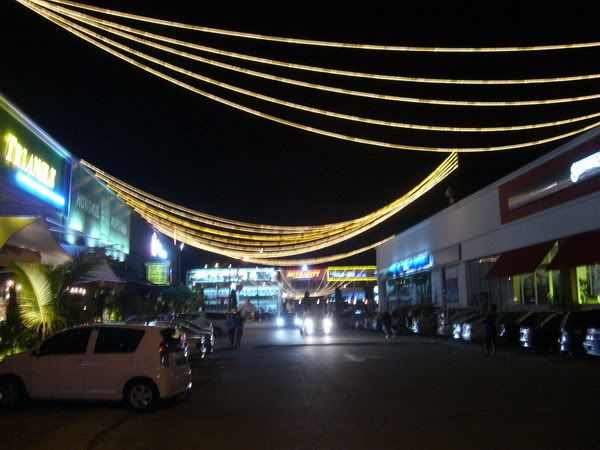
The Galaxie & Youth Carnival 2011 will be held at Penang Times Square on Saturday and Sunday. The festival is packed with exciting activities like talent search, George Town Amazing Race, X-Games, a street dance competition, shoe painting, paintball target shooting and cosplay. Entry forms are available at The Star offices in Bayan Lepas, Jalan Masjid Kapitan Keling and Pusat Bandar Seberang Jaya (Bandar Sunway).
For details, call Timothy Lim (012-4100418), Ema (012-4107303), CK Soon (016-4105521) or Voon (012-5851612).
-Info courtesy of The Star-
The Galaxie & Youth Carnival 2011 will be held at Penang Times Square on Saturday and Sunday. The festival is packed with exciting activities like talent search, George Town Amazing Race, X-Games, a street dance competition, shoe painting, paintball target shooting and cosplay. Entry forms are available at The Star offices in Bayan Lepas, Jalan Masjid Kapitan Keling and Pusat Bandar Seberang Jaya (Bandar Sunway).
For details, call Timothy Lim (012-4100418), Ema (012-4107303), CK Soon (016-4105521) or Voon (012-5851612).
-Info courtesy of The Star-
Sunday, 3 April 2011

Saturday, 2 April 2011
Aussies love laksa
Aussies love laksa
MALAYSIAN cuisine such as laksa and curry are popular with Australians, according to Sydney tourism public relations officer Georgia Ditton.
She said Malaysian food was attractive enough to whet the appetite of everyone.
Ditton said Australians were getting more familiar with Malaysian cuisine as many outlets and restaurants had been opened following her tourism agency’s close collaboration with the Malaysia External Trade Development Corporation (Matrade) to introduce the country’s food.
“As for me, I love rendang very much,” she said, adding that she had been attending cooking classes in Kuala Lumpur and Langkawi over the past few days.
Delicious soup: Japanese tourist Yukari Burgess (left) cooking laksa at E&O Hotel together with other tourists.
Together with four other Australian journalists and public relations personnel, they arrived in Penang on Tuesday as part of a six-day trip organised by Matrade to promote the country’s culinary delights.
The group members, who had earlier visited Kuala Lumpur and Langkawi, will write about their experiences for their respective publications upon their return to Australia.
Ditton, who is visiting Malaysia for the first time, said she had her first-hand experience in cooking a local delight — laksa.
“Food is an important part to learn about a particular culture, and I think that foreign tourists enjoy discovering Malaysia by eating the local food,” she said during a cooking class at Eastern and Oriental (E&O) Hotel on Wednesday.
Choices aplenty: Marina Hogan (right) and Sally Webb shopping for laksa ingredients at the Chowrasta Market for the cooking class.
Guided by a chef, the visitors were seen cooking soup, making chilly paste, removing fish scales, cutting pineapples and peeling cucumber in trying to make laksa as close as possible to the local taste.
Besides the Australians, the cooking class was also joined by several other tourists from Canada, Macau and Japan.
An Australian magazine’s sub-editor, Alexandra O’Brien, also from Sydney, said the trip had provided her with a better insight into Malaysian food and its multi-cultural society.
“I used to be confused about Malaysian cuisine as it is a fusion of Chinese, Indian and Thai varieties.
“But I think the trip has taught me to learn more about the country’s multi-ethnic society rather than to distinguish its type of food,” she said.
Hands-on experience: (From left) Australian journalists and public relation personnel, Heather Mollins, Marina Hogan, Sally Webb, Alexandra and Ditton comparing notes during the laksa cooking class.
Perth travel writer Marina Hogan said she enjoyed buying laksa ingredients together with the other participants at Chowrasta Market in the morning.
“It is interesting to learn about the local community by exploring the markets.
“The things sold there always reflect the real lives of the people,” she added.
-News courtesy of The Star-
MALAYSIAN cuisine such as laksa and curry are popular with Australians, according to Sydney tourism public relations officer Georgia Ditton.
She said Malaysian food was attractive enough to whet the appetite of everyone.
Ditton said Australians were getting more familiar with Malaysian cuisine as many outlets and restaurants had been opened following her tourism agency’s close collaboration with the Malaysia External Trade Development Corporation (Matrade) to introduce the country’s food.
“As for me, I love rendang very much,” she said, adding that she had been attending cooking classes in Kuala Lumpur and Langkawi over the past few days.
Delicious soup: Japanese tourist Yukari Burgess (left) cooking laksa at E&O Hotel together with other tourists.
Together with four other Australian journalists and public relations personnel, they arrived in Penang on Tuesday as part of a six-day trip organised by Matrade to promote the country’s culinary delights.
The group members, who had earlier visited Kuala Lumpur and Langkawi, will write about their experiences for their respective publications upon their return to Australia.
Ditton, who is visiting Malaysia for the first time, said she had her first-hand experience in cooking a local delight — laksa.
“Food is an important part to learn about a particular culture, and I think that foreign tourists enjoy discovering Malaysia by eating the local food,” she said during a cooking class at Eastern and Oriental (E&O) Hotel on Wednesday.
Choices aplenty: Marina Hogan (right) and Sally Webb shopping for laksa ingredients at the Chowrasta Market for the cooking class.
Guided by a chef, the visitors were seen cooking soup, making chilly paste, removing fish scales, cutting pineapples and peeling cucumber in trying to make laksa as close as possible to the local taste.
Besides the Australians, the cooking class was also joined by several other tourists from Canada, Macau and Japan.
An Australian magazine’s sub-editor, Alexandra O’Brien, also from Sydney, said the trip had provided her with a better insight into Malaysian food and its multi-cultural society.
“I used to be confused about Malaysian cuisine as it is a fusion of Chinese, Indian and Thai varieties.
“But I think the trip has taught me to learn more about the country’s multi-ethnic society rather than to distinguish its type of food,” she said.
Hands-on experience: (From left) Australian journalists and public relation personnel, Heather Mollins, Marina Hogan, Sally Webb, Alexandra and Ditton comparing notes during the laksa cooking class.
Perth travel writer Marina Hogan said she enjoyed buying laksa ingredients together with the other participants at Chowrasta Market in the morning.
“It is interesting to learn about the local community by exploring the markets.
“The things sold there always reflect the real lives of the people,” she added.
-News courtesy of The Star-
Subscribe to:
Posts (Atom)