Visa exemption for China tourists extended to Dec 2019
The 15-day visa exemption for tourists from China has been extended from Jan 1 to Dec 31 this year, a piece of good news for local tourism industry players.
With many Chinese nationals going on holiday during the Chinese New Year next month and China’s National Day Golden Week break in October, Malaysia’s tourism association is hopeful that the exemption will boost arrivals.
Home Minister Tan Sri Muhyiddin Yassin on Jan 2 made three separate orders to grant visa exemptions for Chinese and Indian tourists.
The orders granting the exemption under the Passports Act 1966 were published on Jan 3 in the Federal Government Gazette.
The three are: Passports (Exemption of Visa to Tourist Who is Citizen of The People’s Republic Of China) Order 2019; Passports (Exemption of Visa to Tourist Who is Citizen of India) Order 2019; and Passports (Exemption of Visa to Expatriate Who is Citizen of India) Order 2019.
Chinese tourists were first granted the 15-day visa exemptions on Oct 1, 2015, while Indian citizens including expatriates who visit Malaysia as tourists were first given exemptions on April 1, 2017.
The exemptions for both countries were extended every year since.
The exemption for tourists who are citizens of China comes with a number of conditions.
According to the orders, applicants must register with an electronic travel registration and information system provided by the Immigration Department.
They must have a return ticket and must produce on arrival, proof of sufficient pocket money, credit card or bank card with the UnionPay, AliPay or eWallet logo.
They must also produce their itinerary in Malaysia upon arrival.
The orders stated that the 15-day exemption could not be extended, and upon leaving Malaysia, the tourist was only allowed to re-register for exemption again after three months.
The exemption for tourists who are citizens of India has almost similar conditions while the exemption of Indian expatriates applies to all citizens of India working as expatriates outside India in all countries except Singapore.
They are granted the exemption when travelling to Malaysia as tourists.
~News courtesy of The Star~
My50 unlimited travel pass will be extended to Penang - Anthony
The My50 Unlimited Travel Pass Programme will be extended to RapidPenang bus users by the second half of this year, according to Transport Minister Anthony Loke Siew Fook.
He said the move to extend the facility to Penang would be the second phase of the programme before expanding it to other states.
“We hope it could be introduced in the quarter or by the second half of this year. I have asked Prasarana to study (this matter) immediately and work out a proposal,” he told a press conference today.
The My50 travel pass, introduced on Dec 1, allows commuters to access unlimited rides on all RapidKL buses and MRT feeder buses for 30 days at a cost of RM50.
It was launched together with My100 pass which allows commuters to enjoy unlimited rides on all RapidKL rail and bus services including MRT, LRT, Monorail, the Sunway BRT services, RapidKL bus and MRT feeder bus within 30 days with just RM100.-- Bernama
Preserving Classic Teochew Puppetry and Opera
Once a widely staged performance during the Hungry Ghost Festival, the public is slowly abandoning the Teochew puppetry and opera in favour of modern-day song and dance. But performer Ling Goh is determined to preserve and perpetuate this vanishing art.

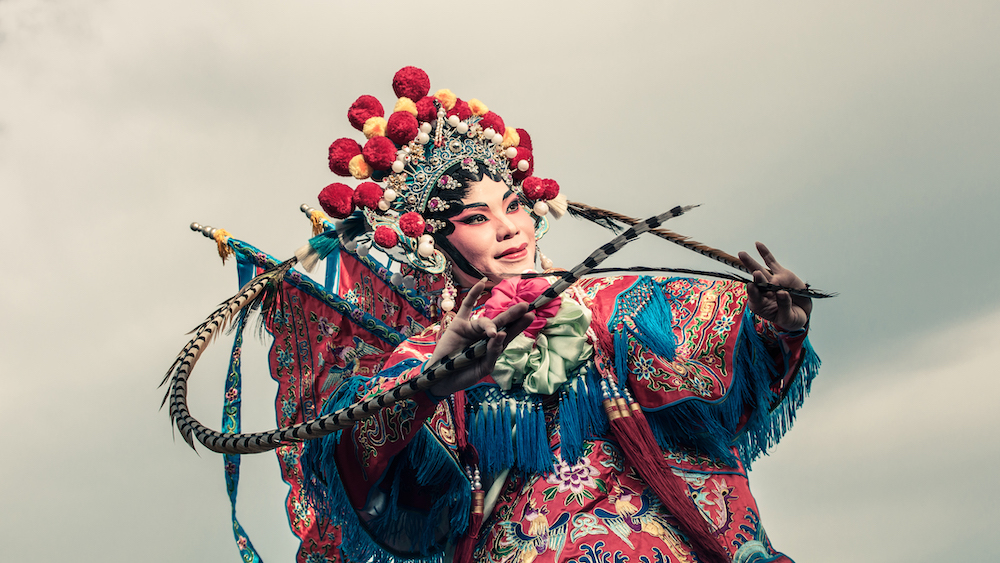
Ling Goh in full costume. Photo Credit Ling Goh.
As a child, Ling Goh remembers watching her mother putting on grand dresses, headgears and elaborate make-up, and stepping onstage before an eager crowd. The backstage was her playground and her classroom – it was the place where she learned and mastered the intricacies of iron-rod puppet manipulation as well as the nuances of each character in Teochew opera.
Ling Goh in full costume. Photo Credit Ling Goh.
As a child, Ling Goh remembers watching her mother putting on grand dresses, headgears and elaborate make-up, and stepping onstage before an eager crowd. The backstage was her playground and her classroom – it was the place where she learned and mastered the intricacies of iron-rod puppet manipulation as well as the nuances of each character in Teochew opera.

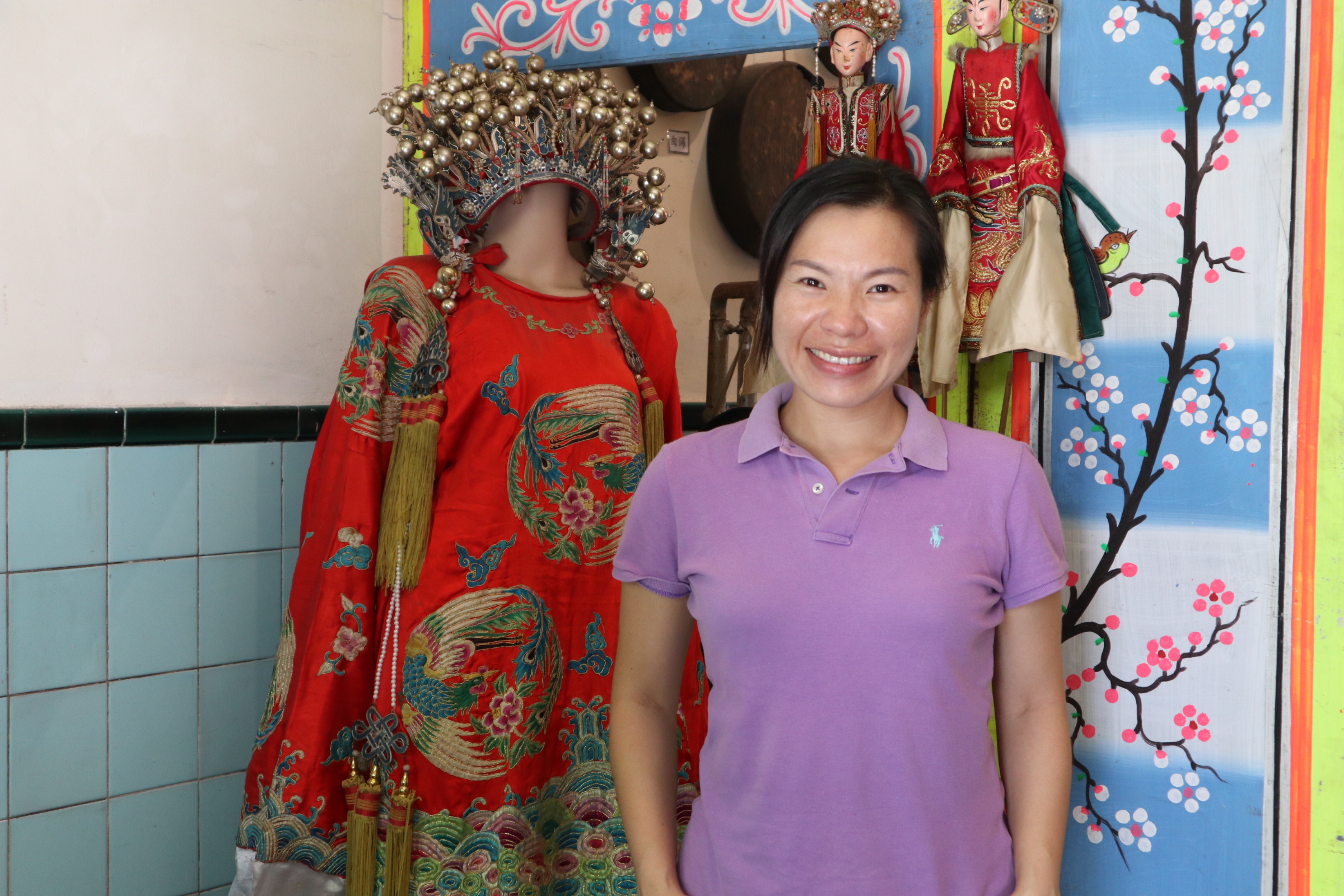
Ling Goh posed for a photograph when met at the opera house-cum-museum.
Ling Goh is the daughter of Toh Ai Hwa, founder of the now-defunct Kim Giak Low Choon Puppet Troupe which was recognised as a Living Heritage Treasure by the Penang Heritage Trust. Descended from an unbroken line of opera performers stretching back to the 19th century, Ling was exposed to the rich operatic world of Teochew puppetry and opera since young.
According to Ling Goh, Teochew puppetry originated as two-dimensional shadow puppets in the Central Plain of China.
“It is similar to the local wayang kulit. It is made of dried leather strips and controlled by three long iron rods attached to the arms and torso. These were only two-dimensional shadow puppets.
“Then, during the Southern Song period, refugees fleeing south away from barbarian invasions brought the art to Chaoshan, a city in the eastern Guangdong province of China. The people of Chaoshan speak the Teochew dialect. It was in the Chaoshan region during the Qing dynasty that shadow puppets evolved into three-dimensional iron-rod puppets.
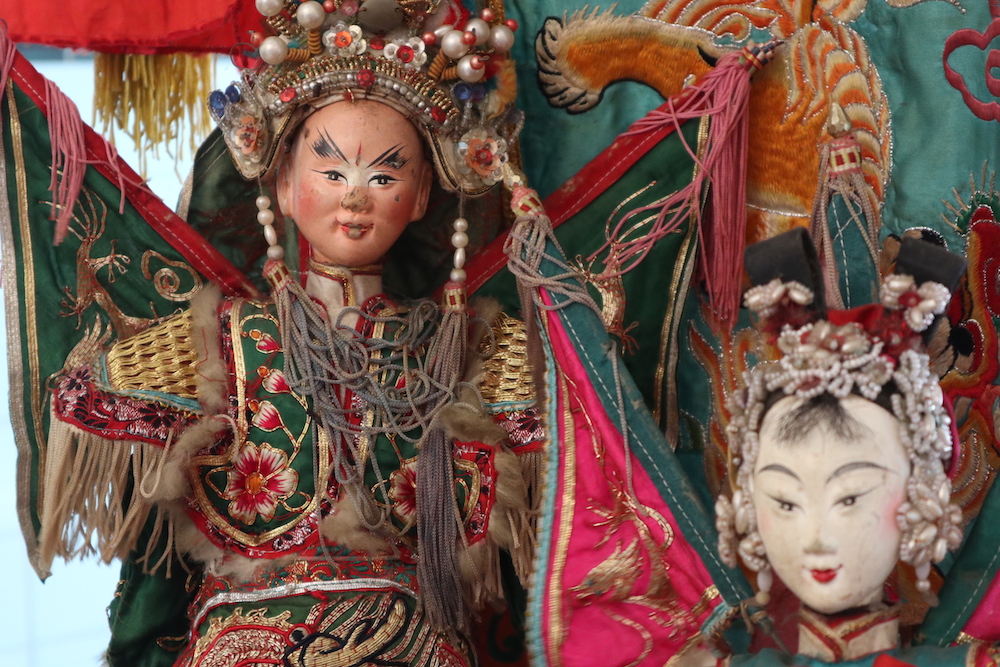
“The Teochew three-dimensional iron-rod puppets then paved the way for the creation of the Teochew opera that we have today. Back then, Teochew puppet performers wanted to transform the iron-rod puppets into larger-than-life characters. Instead of merely using their hands to manipulate the puppets, they decided to be the puppets!” Ling Goh says.
Ling Goh posed for a photograph when met at the opera house-cum-museum.
Ling Goh is the daughter of Toh Ai Hwa, founder of the now-defunct Kim Giak Low Choon Puppet Troupe which was recognised as a Living Heritage Treasure by the Penang Heritage Trust. Descended from an unbroken line of opera performers stretching back to the 19th century, Ling was exposed to the rich operatic world of Teochew puppetry and opera since young.
According to Ling Goh, Teochew puppetry originated as two-dimensional shadow puppets in the Central Plain of China.
“It is similar to the local wayang kulit. It is made of dried leather strips and controlled by three long iron rods attached to the arms and torso. These were only two-dimensional shadow puppets.
“Then, during the Southern Song period, refugees fleeing south away from barbarian invasions brought the art to Chaoshan, a city in the eastern Guangdong province of China. The people of Chaoshan speak the Teochew dialect. It was in the Chaoshan region during the Qing dynasty that shadow puppets evolved into three-dimensional iron-rod puppets.
“The Teochew three-dimensional iron-rod puppets then paved the way for the creation of the Teochew opera that we have today. Back then, Teochew puppet performers wanted to transform the iron-rod puppets into larger-than-life characters. Instead of merely using their hands to manipulate the puppets, they decided to be the puppets!” Ling Goh says.

Teochew three-dimensional puppets. Each Teochew puppet is manipulated by a puppeteer using three iron rods.
According to Ling Goh, the stories derived from popular local lore includes romance tales and ghost stories from the Ming, Tang and Qing dynasties. Meanwhile, the grand costumes and elaborate stage make-up are the trademarks of classic Teochew opera. “When you perform on stage, you want to stand out. The make-up brings out facial expressions. Without make-up, audiences cannot immerse themselves in the experience of the opera.
“Same goes for the elaborate headgears and grand dresses. They are meant to improve the audience’s visual experience and to create strong, visceral scenes,” she says.
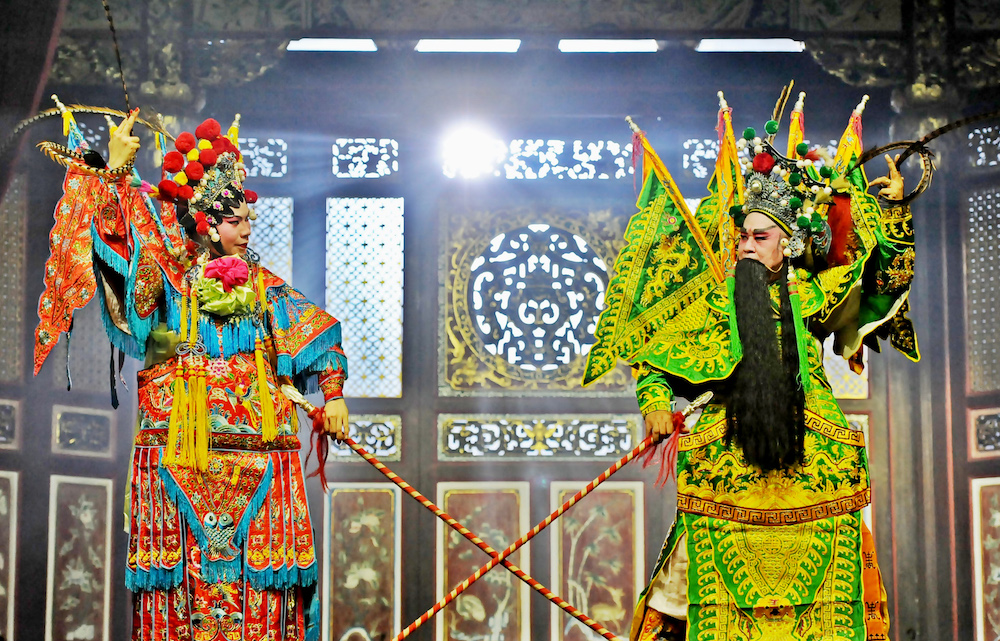
In Teochew opera, the female characters are the Tragic Woman, the Noblewoman, the Maidservant, the Valkyrie, the Old Woman and the Matchmaker, and can be identified by the scalloped hairline on their foreheads.
The male characters comprise the Young Man, the Old Man, the Fighter and the Comic.
The Fool injects comedy into the story. A male Fool is recognisable by a distinctive white patch around the eyes and nose, while female Fools wear make-up to exaggerate their features for comic effect.
Teochew three-dimensional puppets. Each Teochew puppet is manipulated by a puppeteer using three iron rods.
According to Ling Goh, the stories derived from popular local lore includes romance tales and ghost stories from the Ming, Tang and Qing dynasties. Meanwhile, the grand costumes and elaborate stage make-up are the trademarks of classic Teochew opera. “When you perform on stage, you want to stand out. The make-up brings out facial expressions. Without make-up, audiences cannot immerse themselves in the experience of the opera.
“Same goes for the elaborate headgears and grand dresses. They are meant to improve the audience’s visual experience and to create strong, visceral scenes,” she says.
In Teochew opera, the female characters are the Tragic Woman, the Noblewoman, the Maidservant, the Valkyrie, the Old Woman and the Matchmaker, and can be identified by the scalloped hairline on their foreheads.
The male characters comprise the Young Man, the Old Man, the Fighter and the Comic.
The Fool injects comedy into the story. A male Fool is recognisable by a distinctive white patch around the eyes and nose, while female Fools wear make-up to exaggerate their features for comic effect.

Ling Goh and her co-star during a live performance. Photo Credit Ling Goh.
Interest in this classical Chinese performing art has waned in recent years. “People somehow think that Teochew opera is performed for the gods and ghosts. That’s not true. It has always been for the human audience.
“I believe people today are more interested in Western, Korean and Japanese entertainment. They think Teochew opera is lau beh (outdated). They have no patience to learn and understand the cultural values in Teochew opera,” she says.
Moreover, she says temples hiring contemporary singers have not helped matters.
“Most temples in Penang prefer to hire modern singers to attract more audiences. More audiences means more devotees. More devotees means more money for the temple,” she says.
Ling Goh and her co-star during a live performance. Photo Credit Ling Goh.
Interest in this classical Chinese performing art has waned in recent years. “People somehow think that Teochew opera is performed for the gods and ghosts. That’s not true. It has always been for the human audience.
“I believe people today are more interested in Western, Korean and Japanese entertainment. They think Teochew opera is lau beh (outdated). They have no patience to learn and understand the cultural values in Teochew opera,” she says.
Moreover, she says temples hiring contemporary singers have not helped matters.
“Most temples in Penang prefer to hire modern singers to attract more audiences. More audiences means more devotees. More devotees means more money for the temple,” she says.

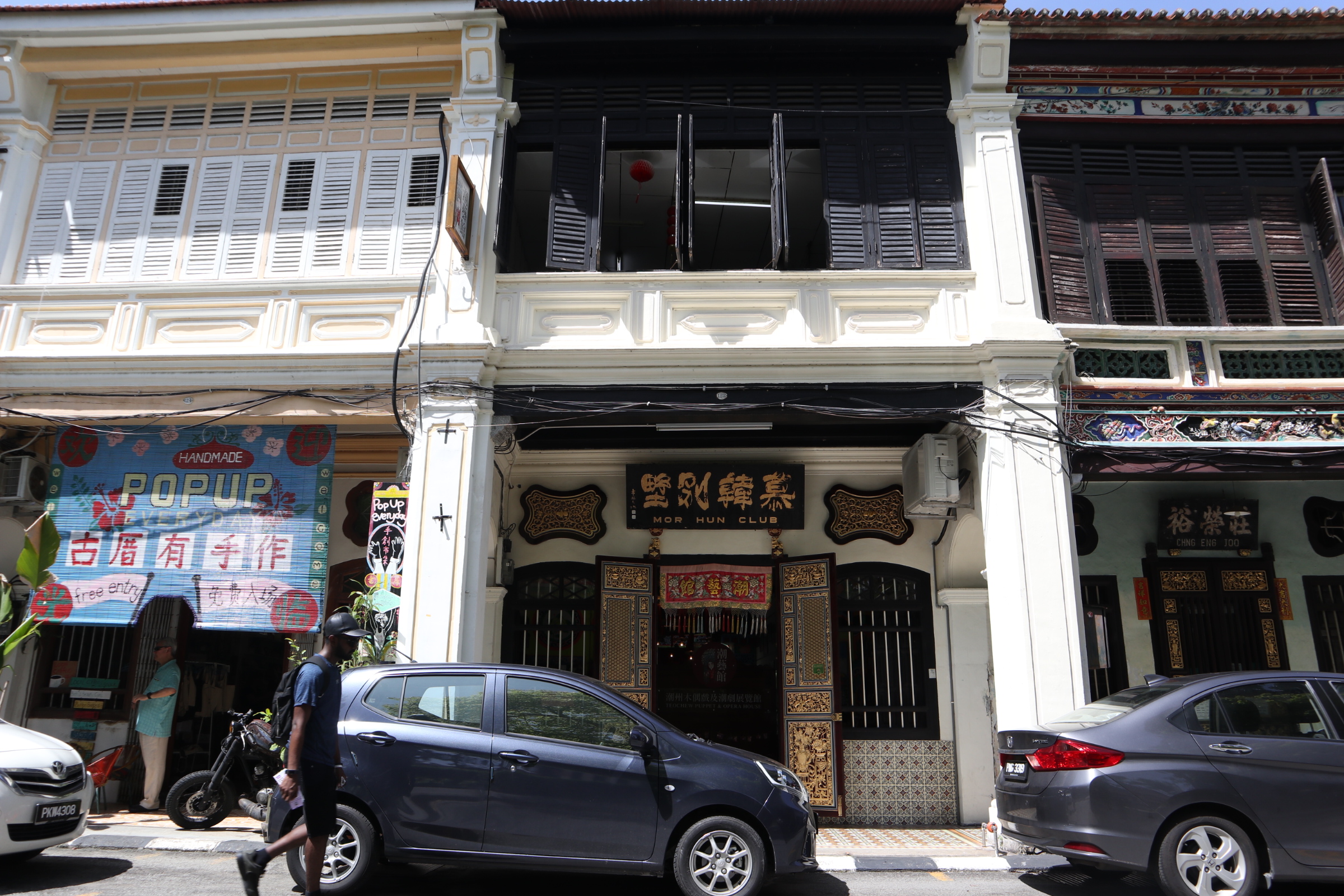
Teochew Puppet & Opera House at Lebuh Armenian
Refusing to fade into the background, Ling Goh continues to perform at cultural festivals in Penang, China, Singapore and London. In 2014 she founded the Teochew Puppet & Opera House at Lebuh Armenian – the first of its kind in Malaysia.
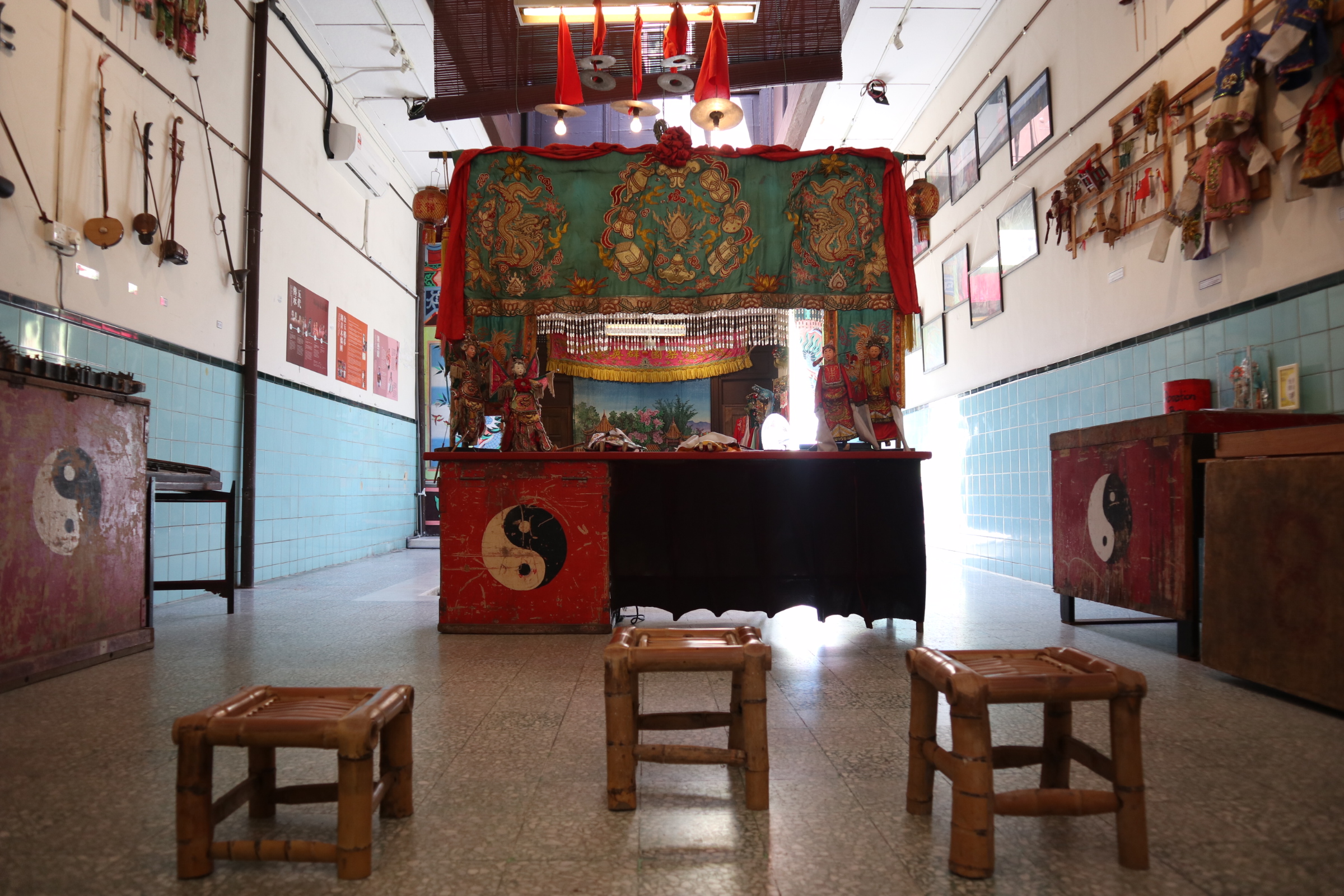
The old-style Penang house with its long, narrow architecture and a central atrium contains exhibits of Teochew iron-rod puppets as well as costumes and props from life-size Teochew opera live performances. Visitors may also try on authentic opera costumes and try their hand at manipulating the unique iron-rod puppets.
There are old manuscripts of operas as well as many puppets, musical instruments, assorted puppet accessories and costumes used in life-size operas. This is a glimpse into an ancient art that is fast disappearing – skills that have passed down through the generations.
Though it is primarily an exhibition space, the Teochew Puppet & Opera House still occasionally holds opera performances, talks and workshops within the premises after hours. But mostly, it serves to tell the story of a remarkable family of opera performers over five generations.
Teochew Puppet & Opera House at Lebuh Armenian
Refusing to fade into the background, Ling Goh continues to perform at cultural festivals in Penang, China, Singapore and London. In 2014 she founded the Teochew Puppet & Opera House at Lebuh Armenian – the first of its kind in Malaysia.
The old-style Penang house with its long, narrow architecture and a central atrium contains exhibits of Teochew iron-rod puppets as well as costumes and props from life-size Teochew opera live performances. Visitors may also try on authentic opera costumes and try their hand at manipulating the unique iron-rod puppets.
There are old manuscripts of operas as well as many puppets, musical instruments, assorted puppet accessories and costumes used in life-size operas. This is a glimpse into an ancient art that is fast disappearing – skills that have passed down through the generations.
Though it is primarily an exhibition space, the Teochew Puppet & Opera House still occasionally holds opera performances, talks and workshops within the premises after hours. But mostly, it serves to tell the story of a remarkable family of opera performers over five generations.

The Teochew Puppet Show Stage inside the opera house-cum-museum.
Today, her family’s legacy is passed down to her nephew and niece. “I grew up watching my mother perform. In turn, my nephew and niece grew up watching their grandmother, father and aunt perform. My childhood classroom has become theirs, and we have become their teachers. My only hope is for them to carry on this family legacy with them,” says Ling Goh.
Find Teochew Puppet & Opera House at 122 Lebuh Armenian. The opera house-cum-museum is open from Tuesdays to Sundays from 10am to 5pm and can be contacted at +604 262 0377 or via email teochewoperahouse@gmail.com. Entrance fee is RM10 per entry. Log on to its website at www.teochewpuppet.com for more details or visit its Facebook page for details.
~Info courtesy of Penang Global Tourism~
The Teochew Puppet Show Stage inside the opera house-cum-museum.
Today, her family’s legacy is passed down to her nephew and niece. “I grew up watching my mother perform. In turn, my nephew and niece grew up watching their grandmother, father and aunt perform. My childhood classroom has become theirs, and we have become their teachers. My only hope is for them to carry on this family legacy with them,” says Ling Goh.
Find Teochew Puppet & Opera House at 122 Lebuh Armenian. The opera house-cum-museum is open from Tuesdays to Sundays from 10am to 5pm and can be contacted at +604 262 0377 or via email teochewoperahouse@gmail.com. Entrance fee is RM10 per entry. Log on to its website at www.teochewpuppet.com for more details or visit its Facebook page for details.
~Info courtesy of Penang Global Tourism~